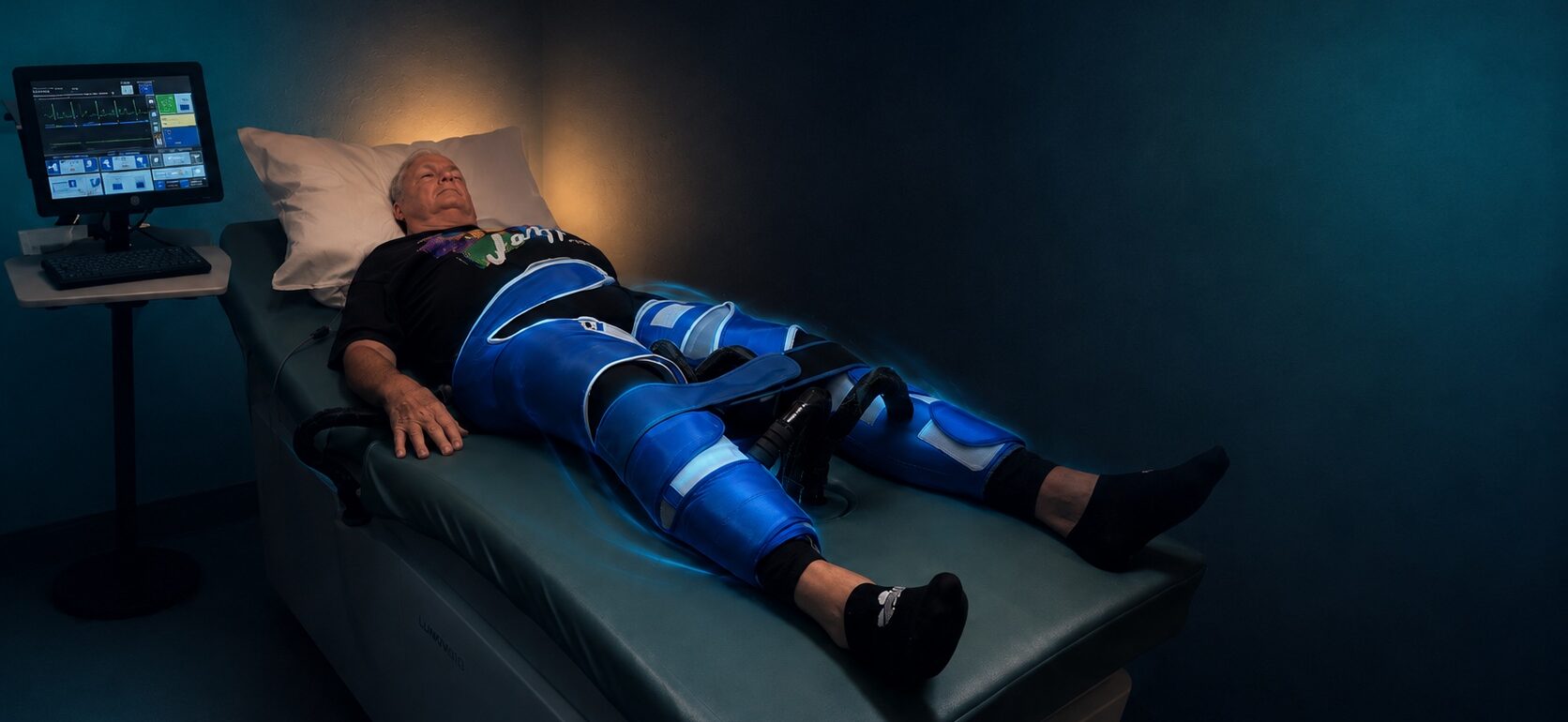
EECP Therapy in Oklahoma City
EECP has been used clinically since the 1980s, expanded to 36 countries/regions, and has been included in 13 international expert-consensus documents for ischemic diseases such as coronary artery disease, angina, and stroke. EECP is sometimes described informally as supporting the body’s “natural bypass” pathways because research has explored changes in collateral circulation.

Counterpulsation for Circulation Support
Circulation Support for Cardiac Care, Stamina, and Whole-Body Wellness
In cardiac literature, EECP is sometimes discussed in relation to improved coronary perfusion, vascular function, and collateral circulation. At OK Theta & Wellness, we describe it carefully as a structured, course-based therapy that may be considered through either a cardiac pathway or a wellness-focused pathway.
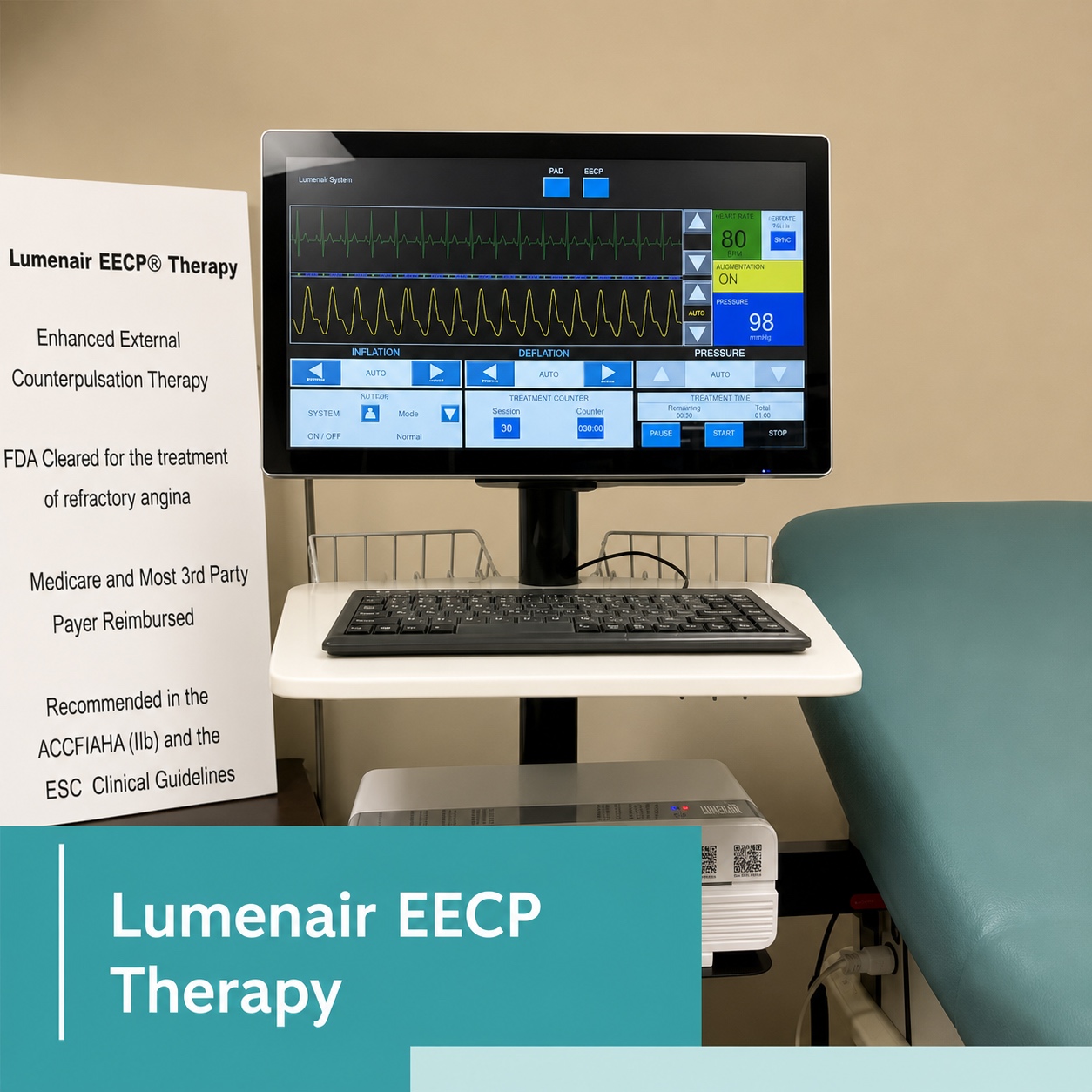
Established EECP Technology
EECP has a long clinical history in cardiac care and may also be discussed for wellness-focused circulation support.
Non-Invasive Experience
No needles, no surgery, and no recovery downtime. You rest while the cuffs inflate and deflate with your heartbeat.
Individual Setup & Monitoring
Blood pressure, heart rate, cuff fit, session pressure, timing, comfort, and pulse-wave response help guide each session.
Course-Based Support
EECP is typically completed as a series of sessions so changes in stamina, circulation, comfort, and function can be tracked over time.
Two Ways We Think About EECP
Cardiac EECP
Some people ask about EECP because they have a history of coronary artery disease, angina, prior cardiac testing, or symptoms being managed by a cardiologist. In this setting, EECP is usually discussed as part of a medical care plan and may require physician documentation, diagnosis-specific criteria, and payer review.
Insurance coverage depends on the reason for treatment, medical documentation, payer policy, and plan-specific requirements. Medicare coverage for external counterpulsation has historically focused on certain patients with severe, disabling refractory angina who remain symptomatic despite medical therapy and are not good candidates for standard revascularization procedures.
This pathway may involve:
- Physician documentation or referral
- Diagnosis-specific coverage criteria
- Cardiology or primary-care coordination
- Individual insurance verification
- Tracking cardiac symptoms and functional changes over time
Wellness-Focused EECP
Other people ask about EECP because they are interested in circulation support, exercise-like conditioning while resting, stamina, recovery, brain fog, active aging, or a broader wellness plan. Some are also curious about investigational uses such as cognitive function, vascular health, or Long COVID.
This wellness-focused use is self-pay. It is not positioned as treatment for a diagnosed cardiac condition, but rather as part of a broader conversation about personal goals and how someone feels over time. For wellness-focused clients, the conversation centers on safety screening, consistency, realistic expectations, and tracking how the person responds over a course of sessions.
This pathway may involve:
- Self-pay wellness sessions
- Individualized monitoring of therapy response
- Screening for safety and comfort
- Tracking blood pressure, heart rate, energy, or walking tolerance
- Appropriate discussion of investigational uses

Who Might Ask About EECP?
EECP is best understood by separating established medical uses from broader wellness-interest areas. Some people ask about EECP because of a diagnosed cardiovascular condition. Others are interested in circulation, stamina, recovery, functional support, or off-label use.

Cardiac Concerns
EECP may be discussed with people who have angina, coronary artery disease, or heart-related symptoms already being evaluated or managed by a medical provider. For patients seeking insurance coverage, documentation and payer-specific criteria are important.
Circulation and Stamina
Some clients explore EECP because they want support for circulation, endurance, daily energy, or exercise tolerance. These goals are usually approached as self-pay wellness support unless the person meets specific medical coverage criteria.
Brain Fog or Fatigue Concerns
Some people ask about EECP because they are interested in blood flow, oxygen delivery, fatigue, or cognitive clarity. These are wellness-support conversations and should not be presented as treatment for a neurological disease.
Active Aging and Recovery
EECP may be appealing to people who want a structured, passive conditioning routine that supports movement confidence, recovery capacity, and healthy aging.
Complex Health Histories
For people with heart disease, vascular disease, diabetes, dysautonomia, Long COVID-type symptoms, kidney disease, neurologic disease, or other medical concerns, EECP should be discussed carefully and may require medical clearance or coordination with the person’s healthcare team.
What EECP Is Designed to Support
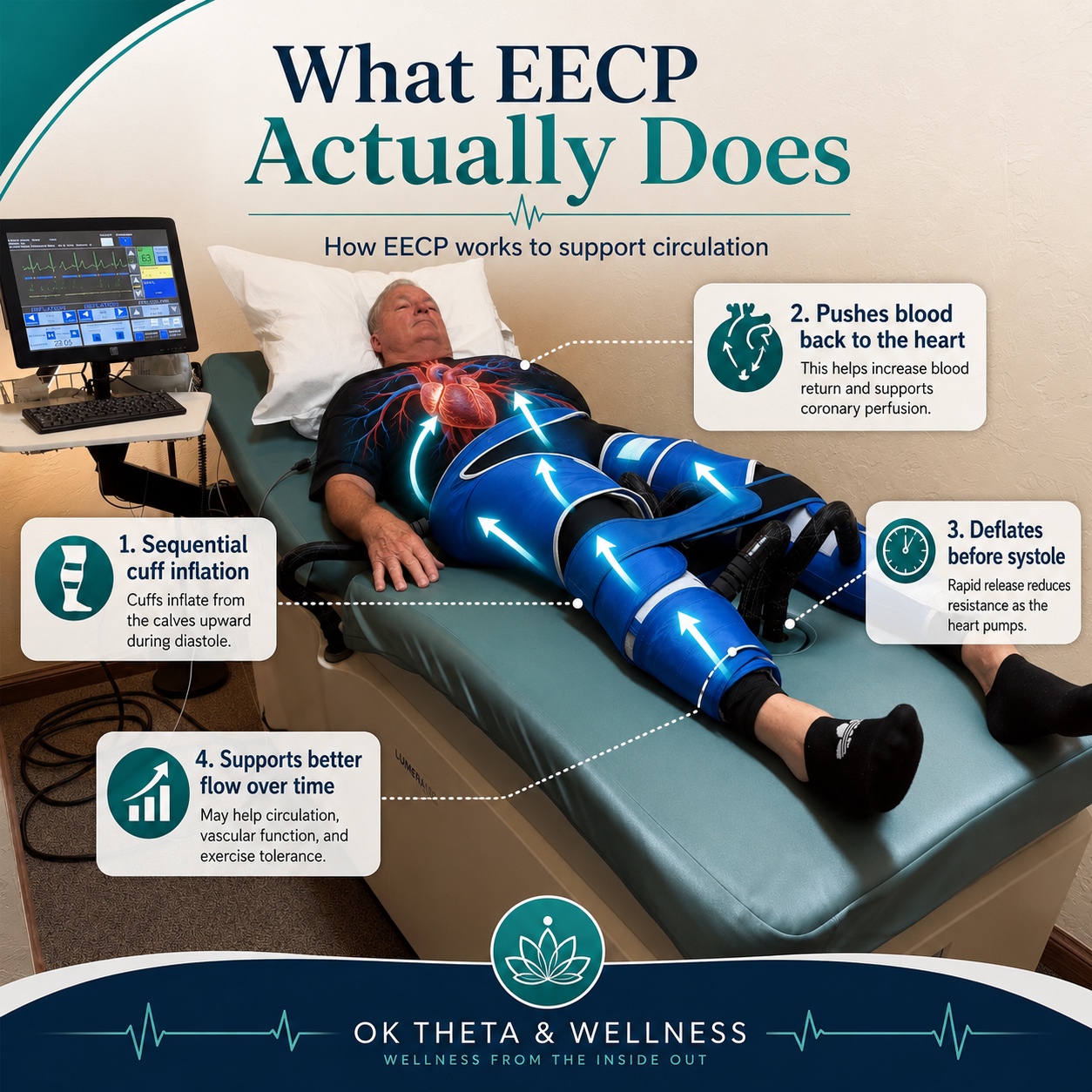
EECP uses timed compression of the legs and hips to assist circulation during the resting phase of the heartbeat. The goal is to increase blood return toward the heart, support vascular function, and reduce cardiac workload during the session.
Diastolic Augmentation
The cuffs inflate between heartbeats, when the heart is resting. This timing may help increase blood flow back toward the heart.
Reduced Cardiac Workload
The cuffs deflate just before the next heartbeat, which may reduce resistance against which the heart pumps.
Collateral Circulation Development
EECP may encourage the development or recruitment of small collateral blood vessels, supporting blood flow when circulation is reduced.
Vascular Conditioning
Repeated sessions may support endothelial function, nitric oxide signaling, and vascular responsiveness. This is why EECP is often discussed as a course rather than a single session.
Circulation and Functional Capacity
Some people report changes in stamina, walking tolerance, daily energy, or recovery over a full course of sessions. Individual responses vary, and tracking matters.
A Resting, Exercise-Like Stimulus
EECP rhythmically challenges the circulation. It is not a replacement for physical activity, but it may help those who have difficulty tolerating exercise.
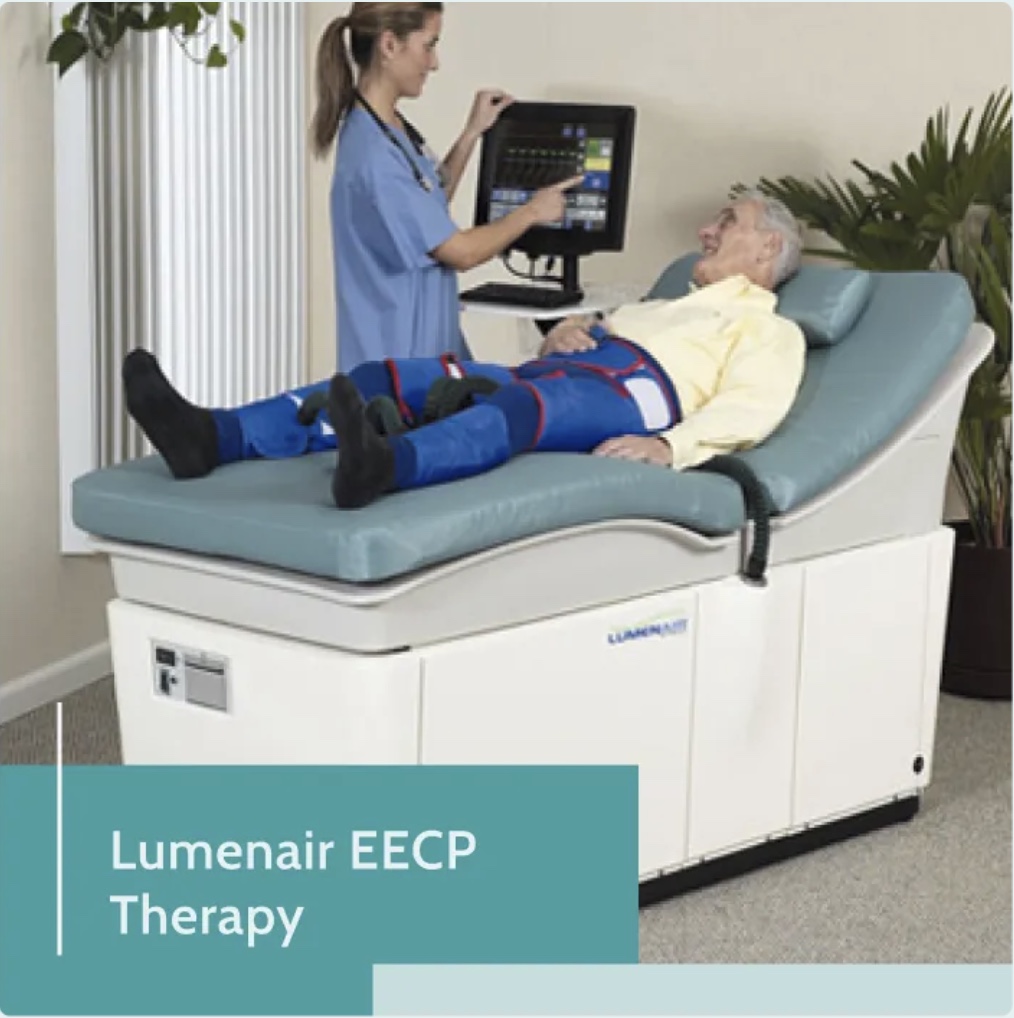

What Does the Research Say?
EECP has the strongest established clinical history in patients with refractory angina and coronary artery disease, and it has been discussed in multiple clinical guidelines and expert consensus documents for ischemic cardiovascular conditions.
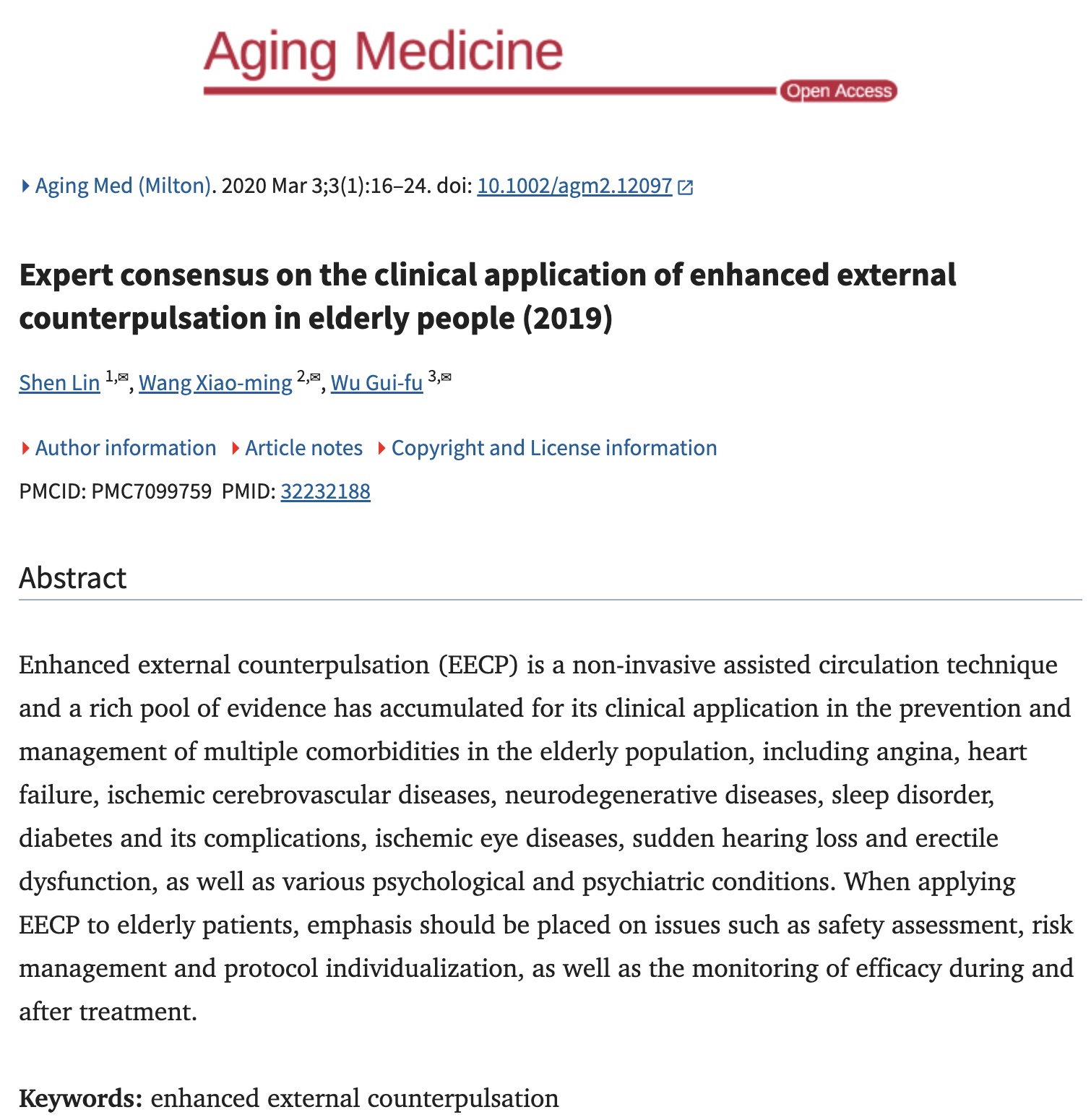
A 2019 expert consensus has also explored EECP in areas such as heart failure, vascular function, diabetes-related circulation concerns, cognitive symptoms, fatigue, and other conditions. The important point is that these areas do not all carry the same level of evidence, coverage, or clinical certainty. Some uses are better established, while others are emerging, investigational, or best discussed as wellness support.
A different 2024 expert consensus from the Chinese Biomedical Engineering EECP Branch focuses specifically on quality control, patient selection, contraindication screening, treatment setup, monitoring, and clinical efficacy evaluation. This reinforces that EECP should be delivered as a structured, monitored course rather than a casual wellness add-on.
Our goal is to explain the evidence honestly, screen carefully, and help each person decide whether EECP is reasonable for their goals.
What to Expect
During treatment, you lie comfortably on a padded table while specialized cuffs are wrapped around your calves, thighs, and hips. These cuffs inflate sequentially from your legs toward your heart during the resting phase of your heartbeat, then deflate just before your heart beats again.
This rhythmic compression increases blood flow throughout your cardiovascular system. Many patients watch movies, read, or relax during their sessions.
Most treatment plans follow a consistent structure:
- 35 one-hour sessions
- 5 days per week for 7 weeks
- Comfortable, relaxing sessions with no recovery time
Many patients report improvements after just 3–4 sessions, with full benefits continuing to build throughout the program.
Why Screening Matters
EECP is non-invasive, but it still affects circulation and cardiovascular workload during the session, so screening matters.
Before beginning an EECP course, we review your goals, health history, blood pressure, cardiovascular history, current symptoms, medications, and relevant risk factors. If you currently have a cardiologist, we ask that you obtain clearance before starting. For convenience, we also provide a printable cardiology clearance form on our site.
Screening helps us determine which EECP pathway fits best. Someone with angina, coronary artery disease, prior cardiac testing, or a cardiologist’s recommendation may need a different level of coordination than someone pursuing EECP for wellness goals.
We also consider how your body is likely to tolerate the session itself, including comfort with cuff pressure, leg or skin sensitivity, and overall stamina.
What Makes a Good EECP Session?
A good EECP session is not only about turning on the machine. Proper setup and monitoring matter. During a session, the cuffs need to be positioned correctly, the heart rhythm signal needs to be clear, compression timing needs to match the person’s cardiac cycle, and the pressure needs to be strong enough to create a useful circulatory effect while still remaining tolerable.
We also pay attention to the pulse-wave response during the session. One measurement sometimes discussed in EECP is the D/S ratio, which compares the diastolic augmentation wave to the systolic wave. In simpler terms, it helps show whether the cuffs are inflating and deflating at the right time to support circulation during the resting phase of the heartbeat.
A better session is one where cuff fit, timing, pressure, comfort, and waveform response are all working together. We monitor the session and adjust settings when needed so that EECP is delivered in a consistent, individualized way.
Frequently Asked Questions
What is EECP therapy?
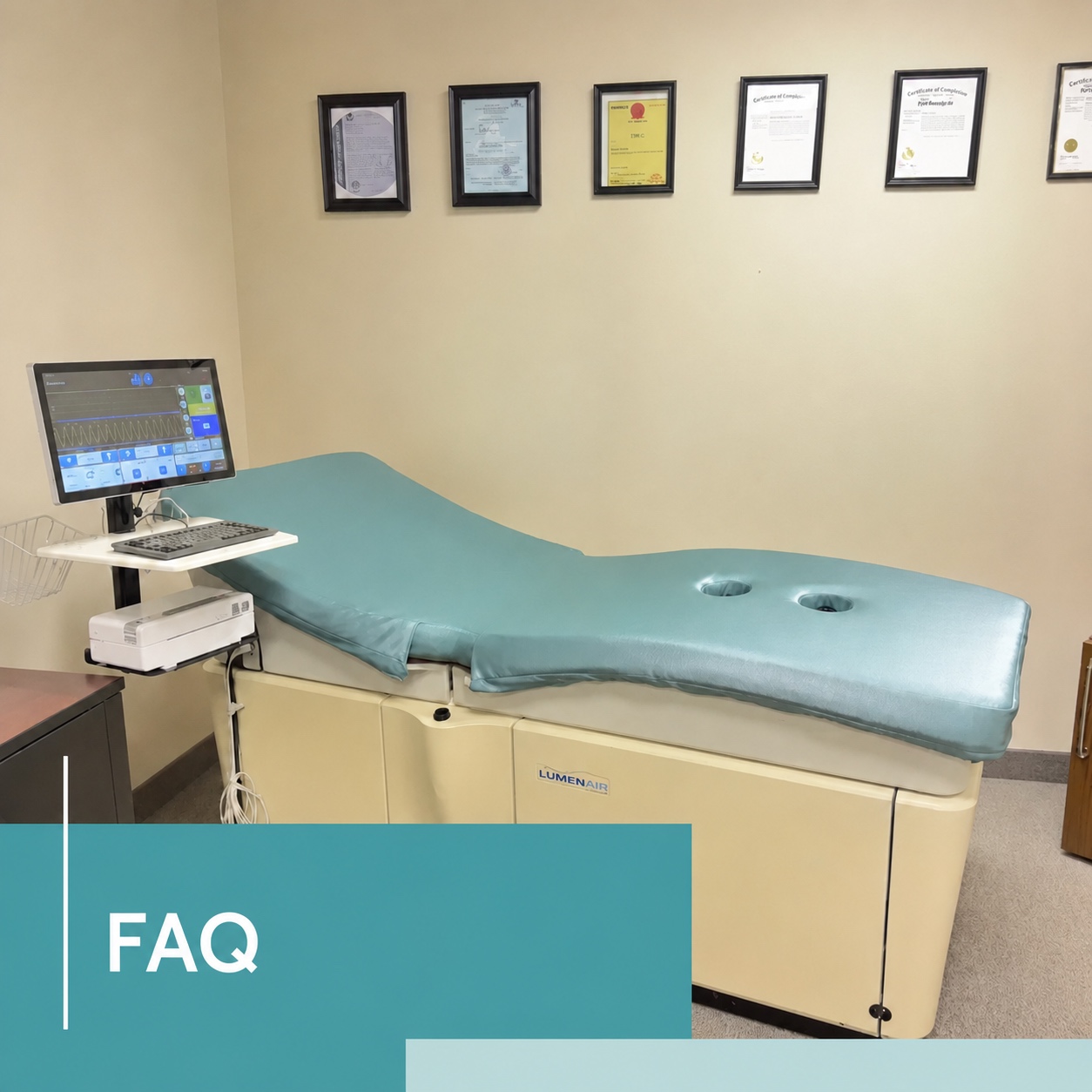
EECP stands for enhanced external counterpulsation. It is a non-invasive therapy that uses inflatable cuffs around the calves, thighs, and hips. These cuffs inflate and deflate in rhythm with the heartbeat to assist circulation during the session.
EECP is often discussed in two different ways: as a physician-directed option for certain cardiac patients, and as a self-pay wellness service for people interested in circulation, stamina, recovery, or active aging support.
Is wellness-focused EECP different from cardiac EECP?
The session experience may look similar, but the goal and payment pathway can be different.
Cardiac EECP usually refers to EECP used in people with diagnosed heart disease, angina, or physician-documented cardiovascular concerns. This pathway may involve medical records, diagnosis-specific criteria, cardiology coordination, and payer review.
Wellness-focused EECP is usually self-pay and may be discussed by people interested in circulation support, stamina, exercise tolerance, recovery, or active aging. This use should not be assumed to meet insurance coverage criteria.
Is EECP covered by insurance?
Insurance coverage depends on diagnosis, documentation, payer policy, and plan-specific criteria. Medicare coverage has historically focused on certain patients with severe, disabling refractory angina who remain symptomatic despite medical therapy and are not good candidates for standard procedures such as stenting or bypass surgery.
People exploring EECP for wellness goals such as stamina, circulation support, active aging, fatigue, recovery, or general cardiovascular conditioning should usually expect a self-pay pathway unless specific coverage criteria are met.
Do I need a heart diagnosis to do EECP?
The short answer is no. Some people explore EECP as a self-pay wellness service. However, people with known heart disease, vascular disease, uncontrolled blood pressure, arrhythmias, blood-clot history, recent procedures, implanted cardiac devices, or complex medical histories may need medical clearance before beginning.
The first step is deciding whether you are in the cardiac pathway, the wellness-focused pathway, or whether EECP is not appropriate.
What does EECP feel like?
During EECP, you lie on a treatment table while cuffs around your legs and hips inflate and deflate in rhythm with your heartbeat. The compression is firm and rhythmic. Most people describe it as unusual at first but tolerable once they settle into the pattern.
You can usually relax, listen to music, watch something, or rest during the session.
Why is EECP usually done as 35 sessions?
EECP is usually approached as a course of care because the desired circulatory and conditioning effects are thought to build over time. A common protocol is 35 one-hour sessions, often completed five days per week for seven weeks.
Some people may follow a modified schedule depending on their goals, tolerance, health history, and provider guidance.
What is the D/S ratio in EECP?
The D/S ratio is a way of looking at the pulse-wave pattern during EECP. It compares the diastolic augmentation wave to the systolic wave.
In plain language, it helps show whether the timing and pressure of the cuffs are creating the desired circulatory effect during the resting phase of the heartbeat. A stronger diastolic wave can suggest better counterpulsation timing and response during the session.
The ideal pattern can vary from person to person, especially in people with arterial stiffness, vascular disease, or older blood vessels. That is one reason proper setup, cuff placement, pressure adjustment, and monitoring matter.
What does OK Theta monitor during an EECP session?
During a session, we pay attention to comfort, cuff fit, rhythm timing, pressure tolerance, heart-rate signal quality, and the pulse-wave response shown by the system.
A good EECP session is not just about turning on the machine. Proper setup matters: the cuffs need to be positioned correctly, the rhythm signal needs to be clear, and the pressure needs to be strong enough to create a useful effect while still remaining tolerable.
Is EECP safe?
EECP has a long history of clinical use and is generally well tolerated for appropriate candidates. Possible minor issues can include skin irritation, bruising, blisters, leg soreness, hip discomfort, or back discomfort from the compression cuffs.
However, EECP still affects circulation during the session, so screening matters. It may not be appropriate for everyone.
Who should not do EECP?
EECP may not be appropriate for people with certain conditions, including active blood clots, active thrombophlebitis, significant aortic valve leakage, severe pulmonary hypertension, uncontrolled high blood pressure, decompensated heart failure, serious uncontrolled arrhythmias, bleeding disorders, active infection where the cuffs are placed, certain recent vascular events or procedures, or pregnancy.
This is not a complete list. People with complex medical histories should discuss EECP with their healthcare team before beginning.
Is EECP a replacement for exercise?
No. EECP is sometimes described as “exercise-like” because it rhythmically challenges the circulation while you are resting, but it does not replace appropriate movement, walking, rehabilitation, strength work, or medical care.
For some people, EECP may be part of a broader plan that also includes walking, mobility work, nutrition, sleep support, or supervised medical care.
Can EECP help with fatigue, brain fog, Long COVID, POTS, or stamina?
Some people ask about EECP because they are interested in circulation, blood-flow support, fatigue, stamina, brain fog, dysautonomia, or Long COVID recovery conversations. Research is emerging in some of these areas, but they should be discussed as wellness-support or investigational conversations rather than guaranteed treatment outcomes.
If you have Long COVID, POTS, dysautonomia, neurologic symptoms, or complex medical concerns, it is important to continue working with your medical team.
What outcomes can be tracked during an EECP course?
Depending on your goals and health history, we may track blood pressure trends, resting heart rate, session tolerance, walking tolerance, energy, stamina, sleep, recovery notes, and symptom patterns.
For cardiac patients, angina pattern, exertional symptoms, medication use or changes, and formal medical testing should remain under the direction of the treating healthcare provider.
How do I know whether EECP is right for me?
The best first step is a conversation. We review your goals, medical history, current symptoms, cardiovascular risk factors, medications, and whether you are approaching EECP from a cardiac or wellness-focused perspective.
From there, we can discuss whether EECP appears reasonable, whether medical clearance may be needed, and what a course of sessions would involve.
Learn More About EECP Research and Circulation Support
EECP brings up a lot of good questions. It has a long clinical history in the cardiac world, especially around chronic stable angina and refractory angina, but researchers are also exploring how circulation, endothelial function, exercise tolerance, and blood-flow support may relate to other areas of health.
On the OK Theta & Wellness blog, we look at both sides of that conversation: the established heart-lane evidence and the newer, still-developing research around Long COVID, POTS, brain fog, Alzheimer’s disease, blood pressure, erectile function, tinnitus, kidney function, fatigue, and active aging.
These articles are educational only. They are not meant to suggest that EECP treats every condition discussed. Instead, they help explain what is established, what is emerging, and what should still be considered investigational or best discussed with a medical provider.
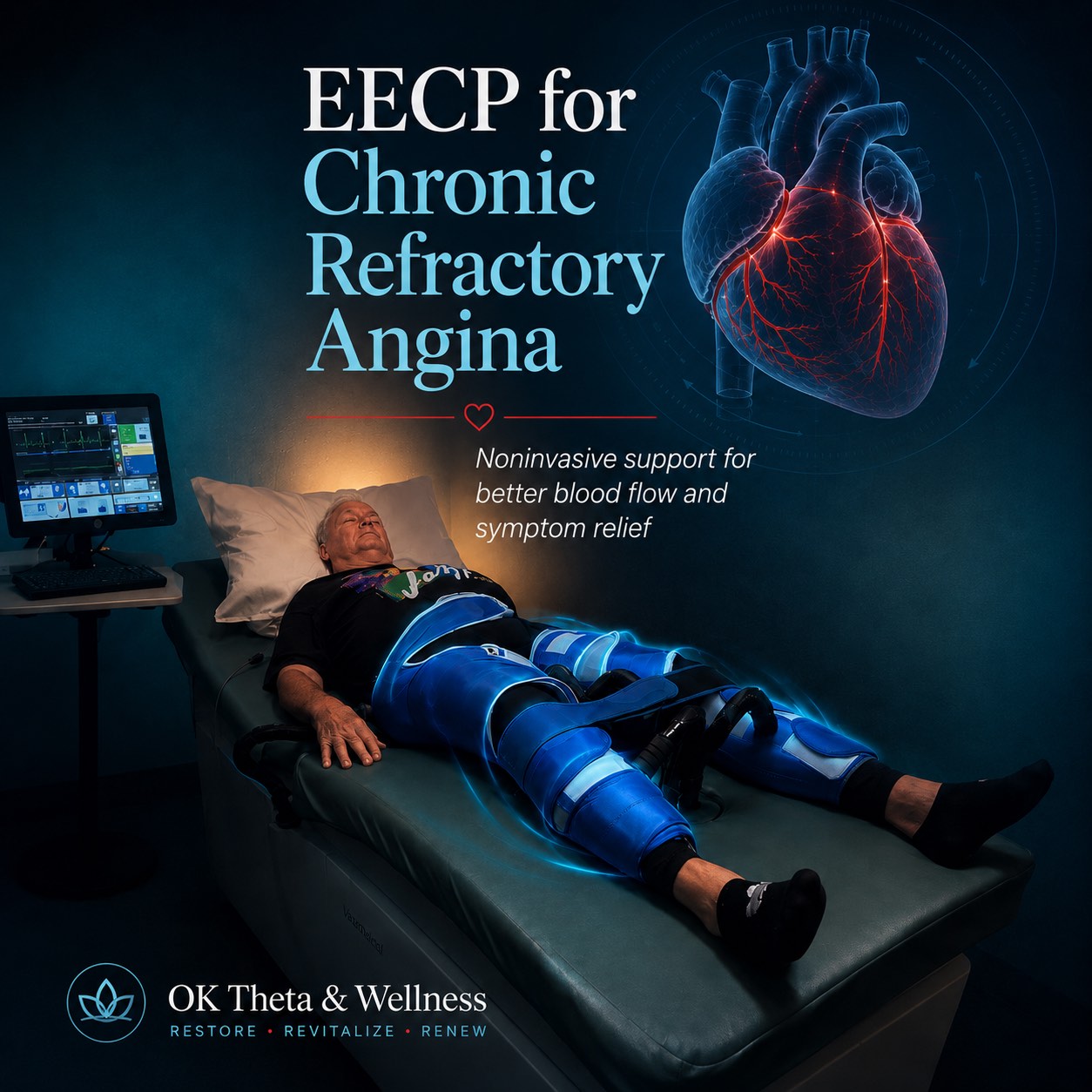
EECP for Chronic Refractory Angina
Start with the heart-lane evidence. Learn why EECP is most established in chronic stable or refractory angina and how it supports coronary perfusion and cardiac workload.
Long COVID, POTS, and Dysautonomia
Explore how blood flow, endothelial function, upright intolerance, fatigue, and brain fog may fit into the Long COVID and dysautonomia support conversation.
EECP and Alzheimer’s Research
Review emerging research on EECP, mild Alzheimer’s disease, and the role that brain blood flow may play in cognitive-health conversations.
Is EECP Worth Discussing?
EECP may be worth discussing if you are exploring circulation support, stamina, recovery, or a structured cardiovascular wellness routine. It may also be relevant for certain cardiac patients whose physician has recommended or documented a qualifying medical need.
Because the cardiac and wellness pathways are different, we begin with a conversation about your goals, health history, current medical care, and whether EECP appears appropriate for your situation.